

What Is Canine Distemper Virus (CDV): History, Transmission, and Key Facts
1 min read
Summary:
Canine Distemper Virus (CDV) is a single-stranded, enveloped RNA virus, roughly 150 to 250 nanometers (nm) in size. It is a systemic, highly contagious pathogen, historically considered one of the leading causes of mortality in dogs, with a mortality rate that can range between 50% and 90% in susceptible populations (especially unvaccinated puppies) and in animals with ineffective treatment, no treatment, or delayed treatment.
CDV is transmitted mainly through:
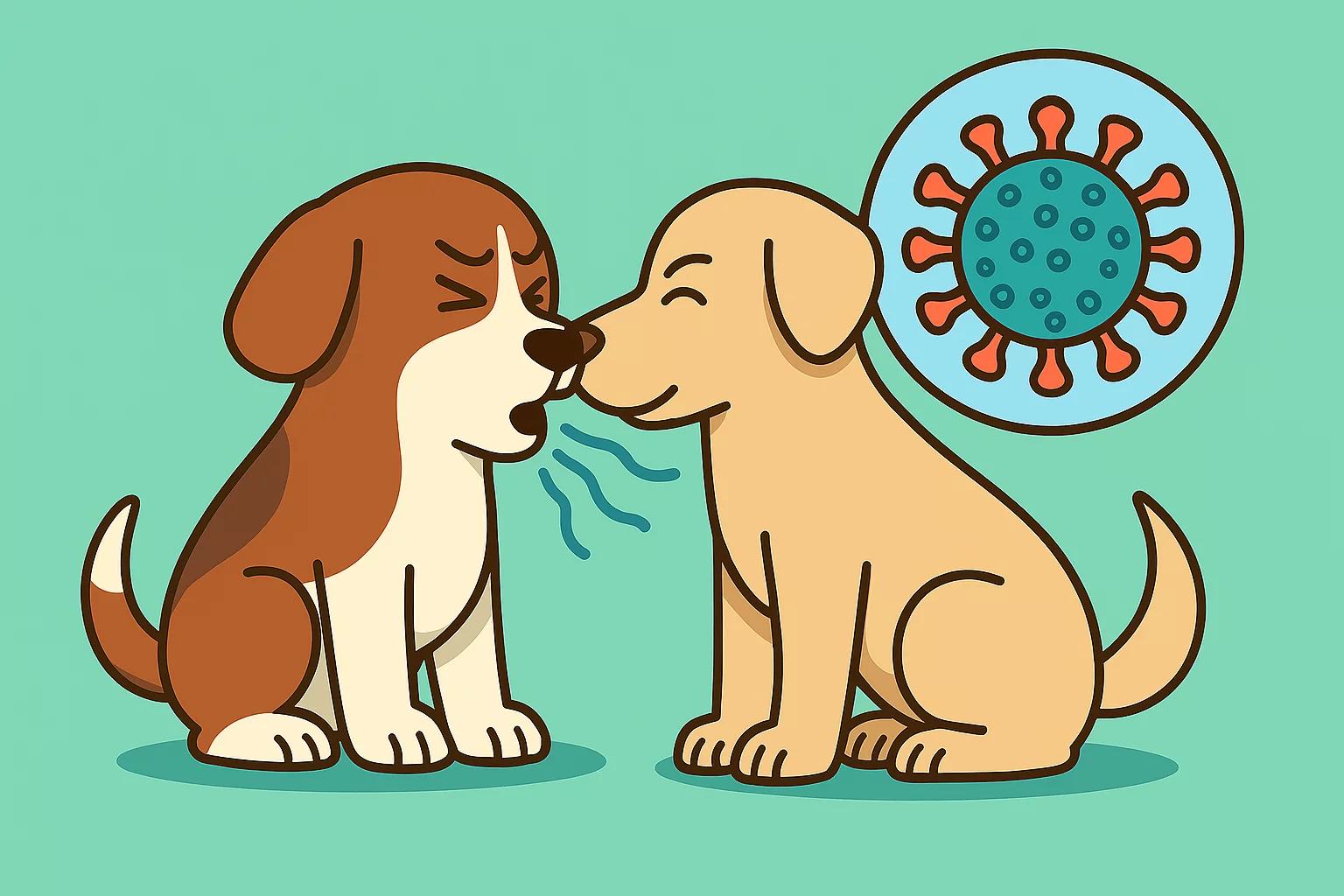
- Airborne route (aerosols): This is the most common mechanism. The virus is shed in large amounts in respiratory secretions and in the aerosols produced by coughing and sneezing in infected animals.
- Direct contact: Through contact with bodily secretions (nasal, ocular, saliva) and excretions (urine, feces).
- Contamination (fomites): The virus can be transmitted indirectly through contaminated food bowls, toys, or surfaces.
A crucial epidemiological fact is that infected animals can shed the virus through various secretions for 60 to 90 days after infection, even after having recovered clinically.